For a huge number of Southern California anglers, Catalina is where it all starts. It's the island you can see from the mainland on a clear day, the one your dad or your buddy took you to on your first overnight, the one that's close enough for a full-day run but wild enough to hold genuinely big fish. Twenty-two miles off the coast, Catalina is the most accessible island fishery in SoCal — and one of the best.
Where the Channel Islands to the north are remote, weather-beaten, and bottom-fishing heavy, Catalina is a different animal. This is yellowtail country. It's home to some of the best calico bass fishing on the planet. The boiler rocks and kelp-lined shores produce the kind of fishing that's made Catalina famous for a hundred years.
Here's what you need to know to fish it.
Two Islands in One: Front Side vs. Back Side
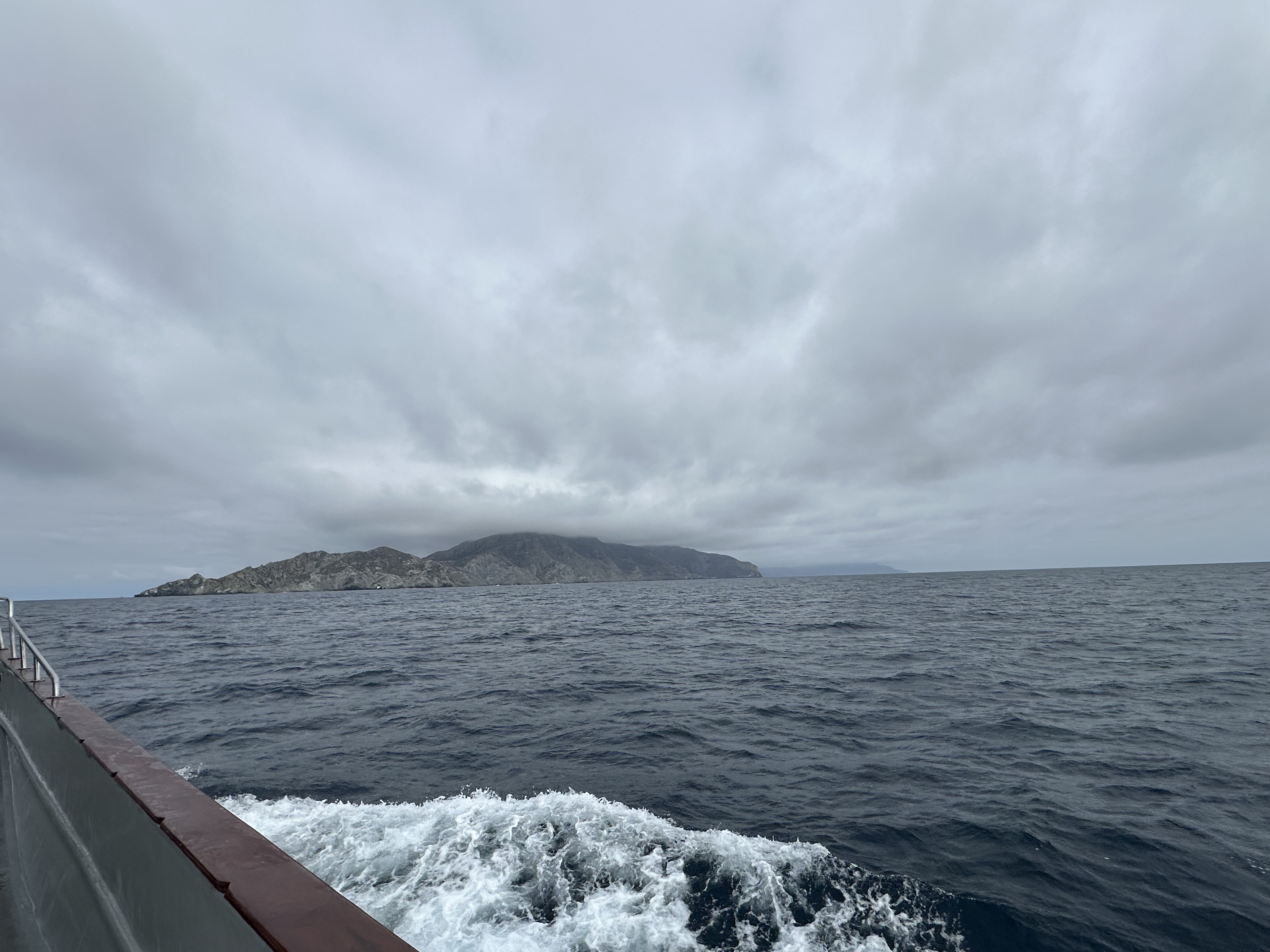
The single most important thing to understand about Catalina is that it fishes like two completely different places depending on which side you're on.
The front side — the lee side facing the mainland, running from the East End past Avalon up toward the isthmus at Two Harbors — is the calmer, more protected water. This is where most Catalina fishing happens. The front side is studded with boiler rocks (the shallow rock structures that "boil" with whitewater), kelp lines, and flats that hold the island's signature species: yellowtail, calico bass, bonito, and barracuda. Because it's protected from the prevailing northwest wind and swell, the front side is fishable far more often than the back.
The back side — the West End and the open-ocean-facing shore — is more exposed, rougher, and can be harder to fish, but it's where the bigger pelagic action shows up when conditions allow. In early spring, you're targeting white seabass and halibut. When warm water pushes in during summer and fall, the back side and the West End can hold some nice yellowtail, with opportunity for bluefin a few miles out. During open-season, you can also land some quality reds and a variety of rockfish. The trade-off is the same as the Channel Islands: the best water is the hardest to reach, and the weather decides whether you get there.
A good captain reads the conditions and the bite and picks the side accordingly. On a typical trip, you may fish the front side and never need the back. On the right day, with the right water and current, the captain might make the run around to the West End for a shot at something bigger.
Which Landings Fish Catalina
Catalina is fished by a completely different fleet than the Channel Islands. Where the northern islands launch out of Ventura, Oxnard, and Santa Barbara, Catalina is the home island for the LA Harbor, Long Beach, and Orange County fleets.
Los Angeles Harbor/San Pedro landings like 22nd Street Landing and LA Harbor run full-day and overnight trips to Catalina year-round. This is one of the closest jump-off points to the island.
Long Beach landings such as Pierpoint Landing and the Long Beach Sportfishing fleet also run regular Catalina trips, with easy freeway access for the LA and inland crowd.
Orange County — out of Newport (Davey's Locker, Newport Landing) and Dana Point (Dana Wharf) — run Catalina trips as well, given the slightly different angle and distance.
Because Catalina is so accessible, the trip options are broader than the Channel Islands — full-day and overnight Catalina trips run regularly depending on the landing and the season.
Compare Catalina trips, boats, and pricing across all the LA, Long Beach, and OC landings side by side on findyournextcatch.com.
What's Biting When
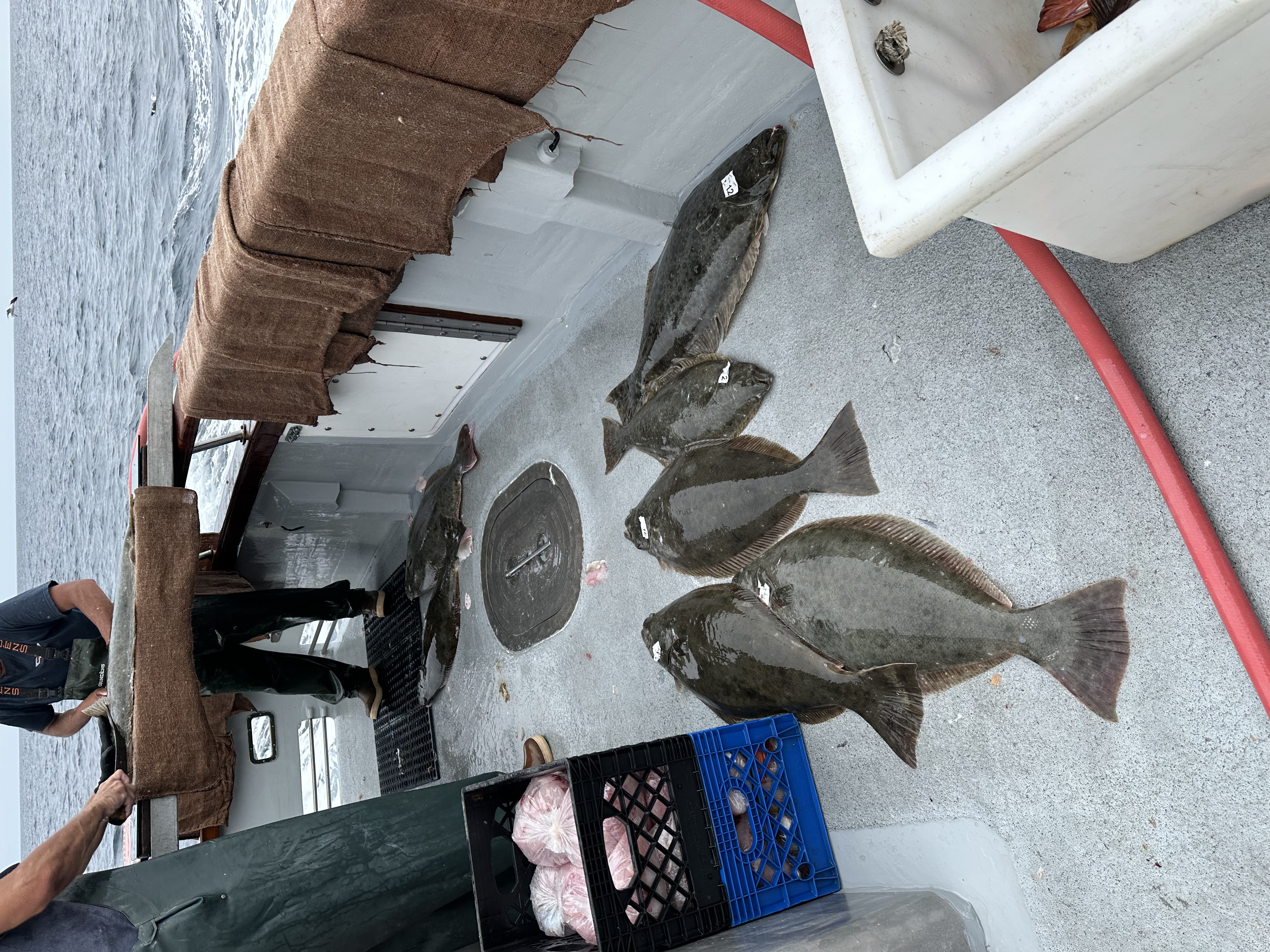
Catalina has a strong seasonal rhythm built around its marquee species. Here's how the year breaks down.
Year-round:
- Calico bass — Catalina's kelp lines and boiler rocks hold some of the best calico bass fishing anywhere. The bite is good year-round but really turns on in the warmer months.
- Rockfish — bottom fishing for reds and assorted rockfish is reliable around the island, subject to seasonal CDFW closures for shallow-water species.
- Sheephead and whitefish — supporting cast on bottom trips.
Spring (March-May):
- White seabass — spring is prime time, on the flats and squid beds.
- Yellowtail start showing as the water warms.
- Calico bass action picking up along the kelp.
Summer (June-August):
- Yellowtail — the marquee Catalina target at its peak. The famous front-side yellows on the boiler rocks and flats, taken on surface iron, yo-yo iron, and flyline fished bait.
- Calico bass at full size and abundance along the kelp lines.
- Barracuda and bonito moving through.
- Bluefin possible when warm water pushes into the channel and around the back side.
Fall (September-November):
- Yellowtail bite often continues strong into the fall.
- Calico bass still going on the kelp.
- Offshore pelagics still a possibility early in the fall before the water cools.
Winter (December-February):
- Focus shifts to bottom fishing — halibut, sheephead and whitefish.
- Calico bass slow down but don't disappear.
- Fewer trips overall, more weather cancellations.
Want to see what's biting at Catalina right now? Live fish counts from every LA, Long Beach, and OC landing are updated nightly at findyournextcatch.com/intel.
Trip Types and What to Expect
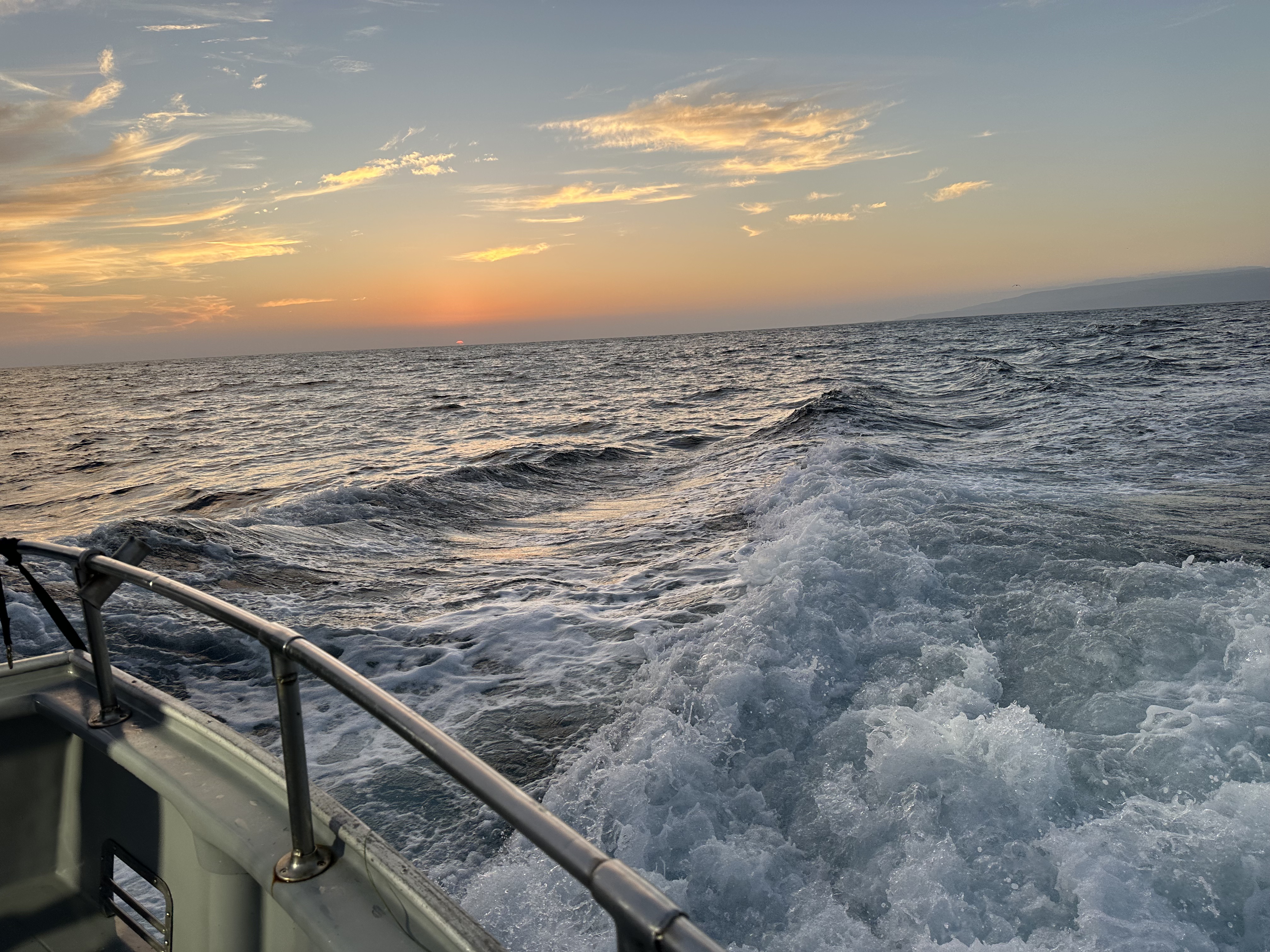
Catalina is close enough that you can reach it on a shorter trip than you'd ever get to the northern islands on, but in practice it's a full-day and overnight fishery. (You'll occasionally see a three-quarter-day run to the island, but it's the exception, not the rule — there's a lot of water to cover to make it worth the trip.)
Full Days ($115-150): The bread and butter of Catalina fishing. A full day gives you time to run to the island, fish the front-side boiler rocks and kelp for yellowtail and calicos, or hit the backside for better quality. This is the classic Catalina trip.
Overnights ($180-280): Leave at night, wake up at the island, and fish a full day with the option to work the back side or chase pelagics if the water's right. Overnights give the captain the most flexibility to chase the best bite around the whole island.
Filter Catalina trips by duration, target species, and departure landing to find exactly what you're looking for at findyournextcatch.com/trips.
How Catalina Fishing Works
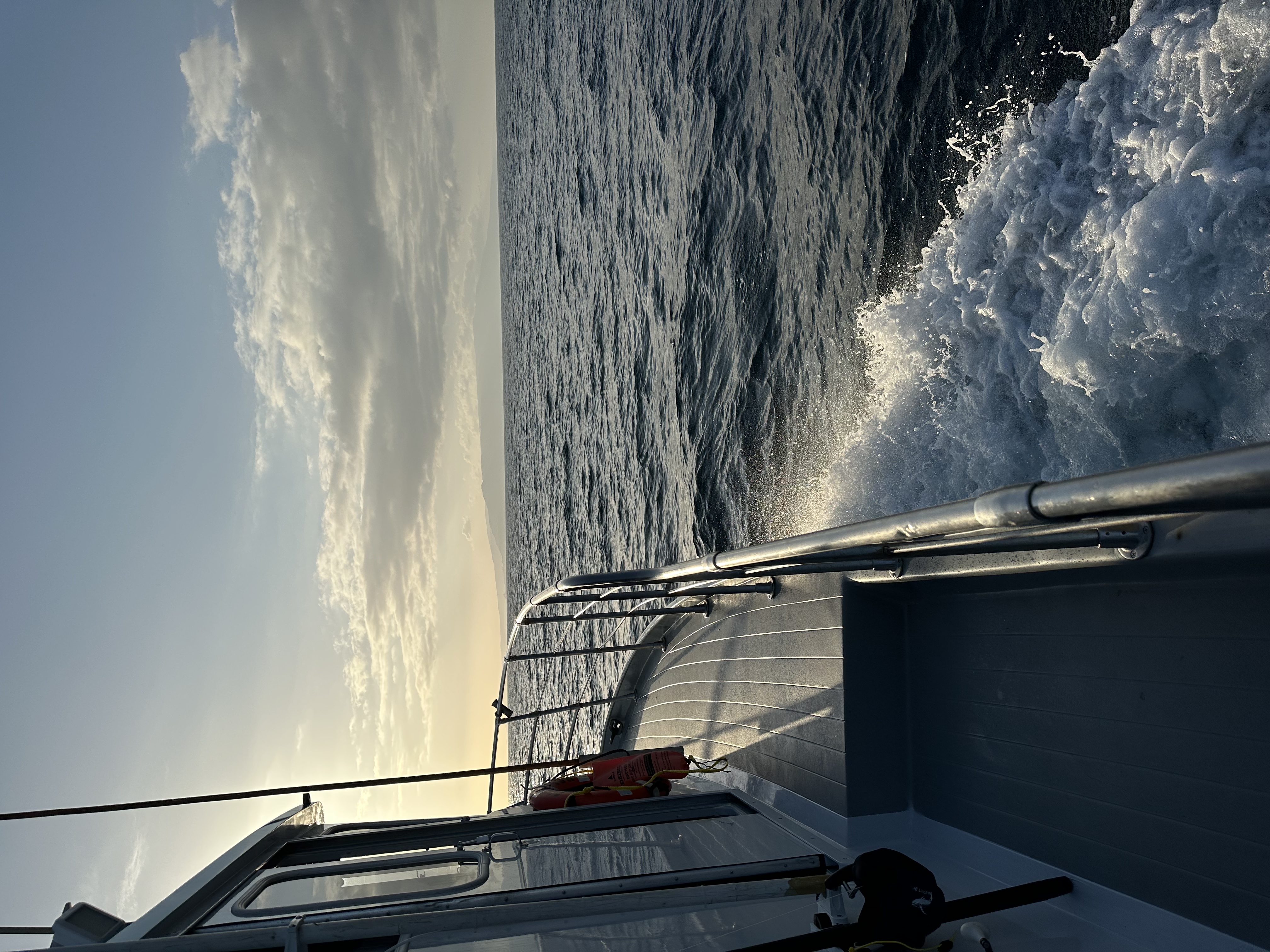
Catalina rewards anglers who come prepared for its signature styles of fishing.
The boiler rocks and flats. Much of the front-side yellowtail and white seabass fishing happens tight to structure — the boiler rocks and the flats adjacent to them. This is where reading the captain's instructions matters: he'll position the boat and tell you where and how to fish.
Iron is king for yellowtail. Catalina is famous as an iron fishery. Surface iron (for fish feeding up top) and yo-yo iron (dropped down and retrieved fast) both produce yellowtail here. If you've never thrown iron, this is the place to learn.
Dropper loop and live bait for working the bottom and structure for yellowtail, white seabass, and bottom species.
Calico bass on the kelp — fishing the kelp lines with live bait or plastics for the island's world-class calicos.
If you're newer to these techniques, rent gear at the landing and lean on the deckhands. Catalina's crews put anglers on these fish every day and will help you rig and fish the right way for what's biting.
Weather and Conditions
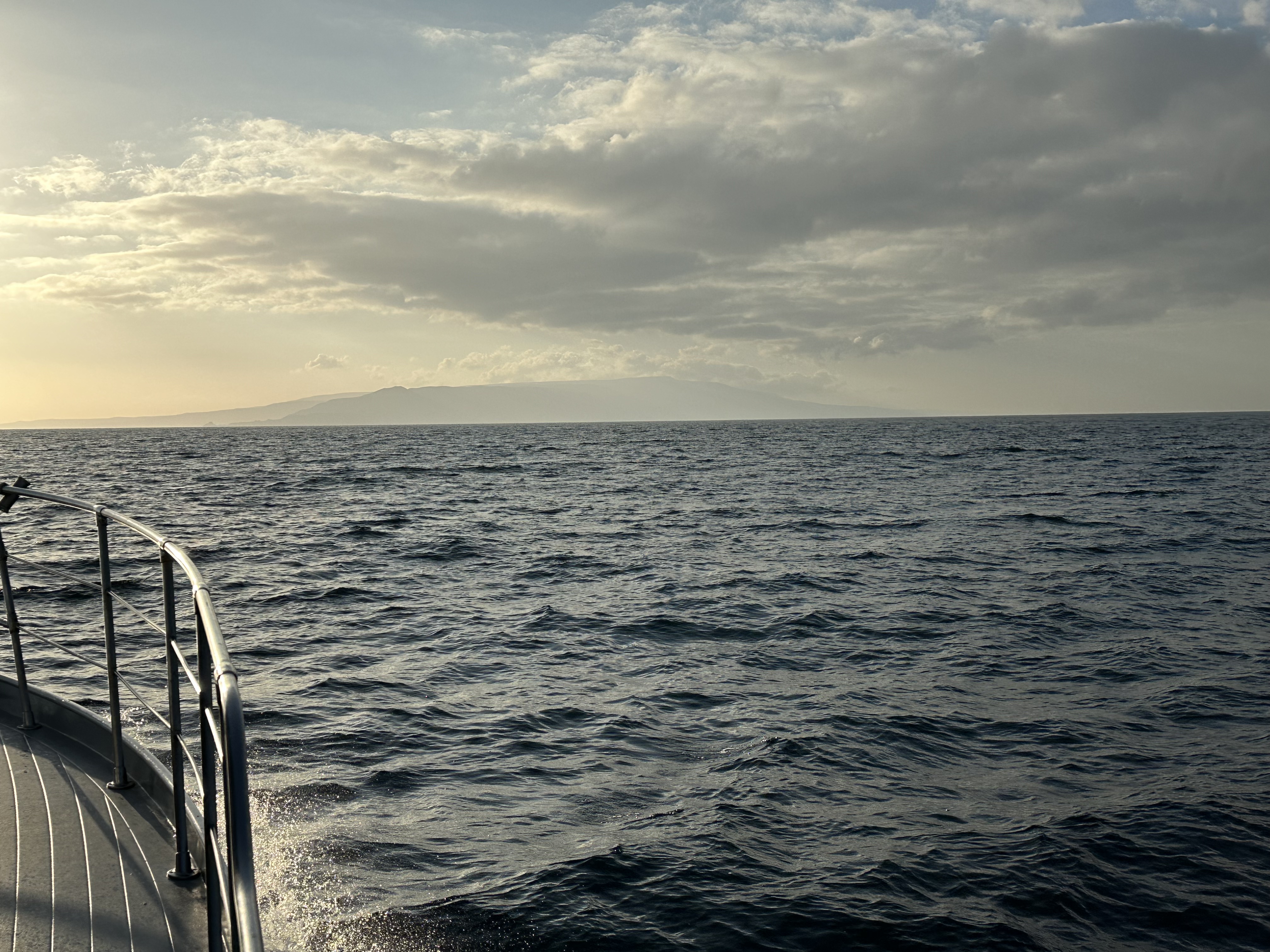
Catalina is far more forgiving than the Channel Islands, but it's still 22 miles of open water to get there.
The front side is usually fishable. Because it's protected from the prevailing northwest wind, the lee side of Catalina can be fished in conditions that would shut down the outer Channel Islands entirely. This is a big part of why Catalina is so reliable.
The back side is weather-dependent. Making the run to the West End and the open-ocean side requires cooperative conditions. When it's calm enough, that's where the captain may go for bigger fish.
The crossing matters. The channel between the mainland and Catalina can get bumpy, especially in the afternoon when the wind comes up. If you're prone to seasickness, medicate ahead of time and ride on deck.
Live conditions and weather data are listed alongside every trip at findyournextcatch.com, so you can see what's happening before you commit.
The Bottom Line
Catalina is the island that made SoCal sportfishing what it is. It's close enough to fish on a full day, reliable enough to produce when the outer islands are blown out, and rich enough to hold world-class calico bass and the yellowtail that anglers chase all summer. For LA, Long Beach, and OC anglers, it's the home island — and for first-timers, it's one of the best places in California to learn what this sport is about.
Start with a full day on the front side for calicos and yellowtail. As you get more trips in, an overnight opens up the whole island and a shot at something bigger off the back.
Ready to book? Find Your Next Catch lists every Catalina trip from the LA Harbor, Long Beach, and Orange County landings — with live fish counts, weather conditions, and trip details all in one place. Filter by trip length, species, or departure point to find your next Catalina trip.
Tight lines. Go find the bite.
Keith Leonard is the founder of Find Your Next Catch and an avid SoCal angler. FYNC tracks fish counts, hot boats, and trip availability across all of Southern California's sportfishing landings.