If you've fished Southern California out of San Diego or Long Beach, you've fished a particular flavor of SoCal: warm-water pelagics, bluefin tuna in summer, Coronados-area yellowtail, Catalina full days. That's one fishery.
The Channel Islands are a different one entirely.
Sixty miles up the coast, off Ventura and Santa Barbara, sits a chain of four islands that fish unlike anything south of Point Conception. Cold currents from the north and warm currents from the south collide here, producing some of the most diverse fishing on the West Coast. Strong rockfish and lingcod year-round, the largest calicos most California anglers will ever see, and on the right days at the right islands, halibut, big sheephead, cabezon, and an occasional bluefin pushing up from the south.
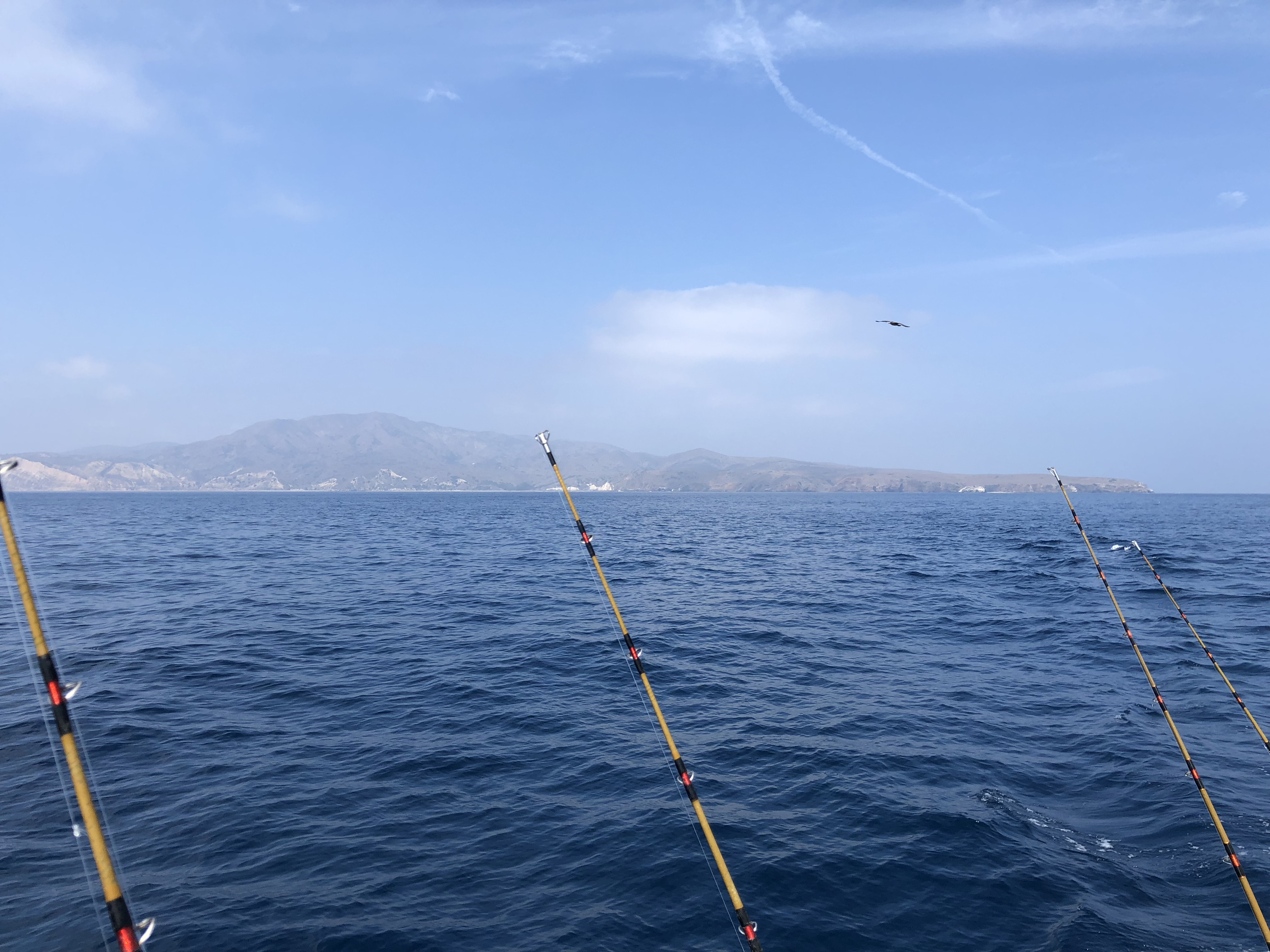
The Channel Islands fleet is smaller than San Diego's, the trips are weather-dependent in a way SD's rarely are, and the fishery doesn't get the magazine coverage that bluefin season does. But the anglers who fish these islands regularly will tell you it's the best sportfishing in the state.
Here's what you need to know.
The Four Northern Islands
The Channel Islands National Park technically includes five islands, but the four most anglers mean when they say "the Channel Islands" run east-to-west across the Santa Barbara Channel.
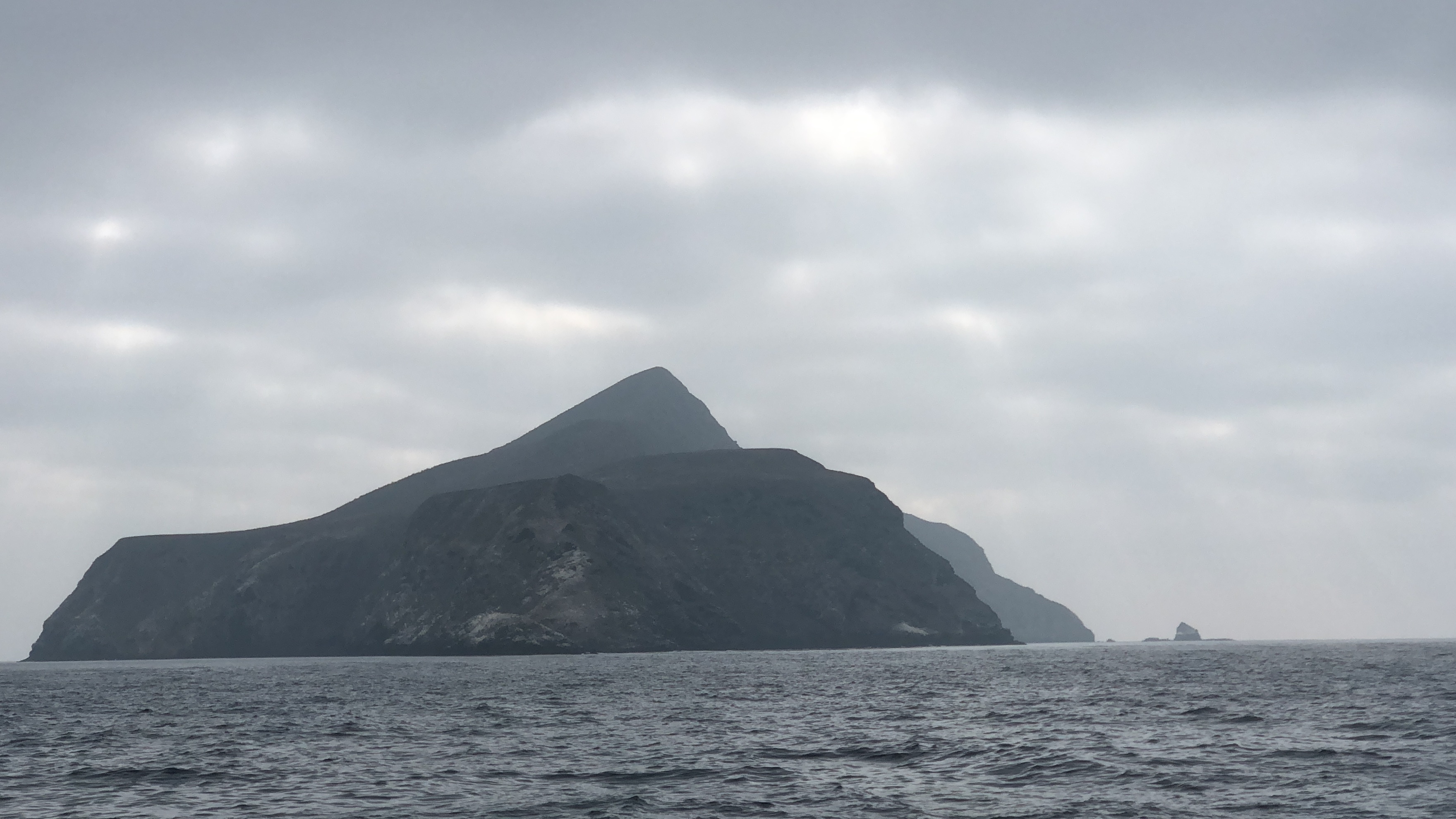
Anacapa Island is the closest to the mainland — about 11 miles off Oxnard — and the smallest. Despite the proximity, it fishes harder than people give it credit for. The east end has rockpiles and kelp that hold quality calicos, sheephead, and rockfish almost year-round. The west end and Anacapa's pass — the narrow gap between the three small islets that make up Anacapa — is reliable structure for halibut and rockfish on the front side. When weather shuts down trips to the outer islands, Anacapa is the fallback that still produces.
Santa Cruz Island is the largest island in California — bigger than Manhattan — and the workhorse of the Channel Islands fleet. The diversity is what makes it special. The front side (the southern shore, facing the mainland) is calmer, fishable in most conditions, and holds calicos, sand bass, sheephead, and rockfish along miles of kelp beds and rocky structure. The back side (the northern shore, facing the open Pacific) is colder, more weather-exposed, and produces bigger rockfish, lingcod, and seasonal yellowtail when boats can reach it. Most Channel Islands full days end up at Santa Cruz simply because there's always somewhere productive to fish, regardless of conditions.
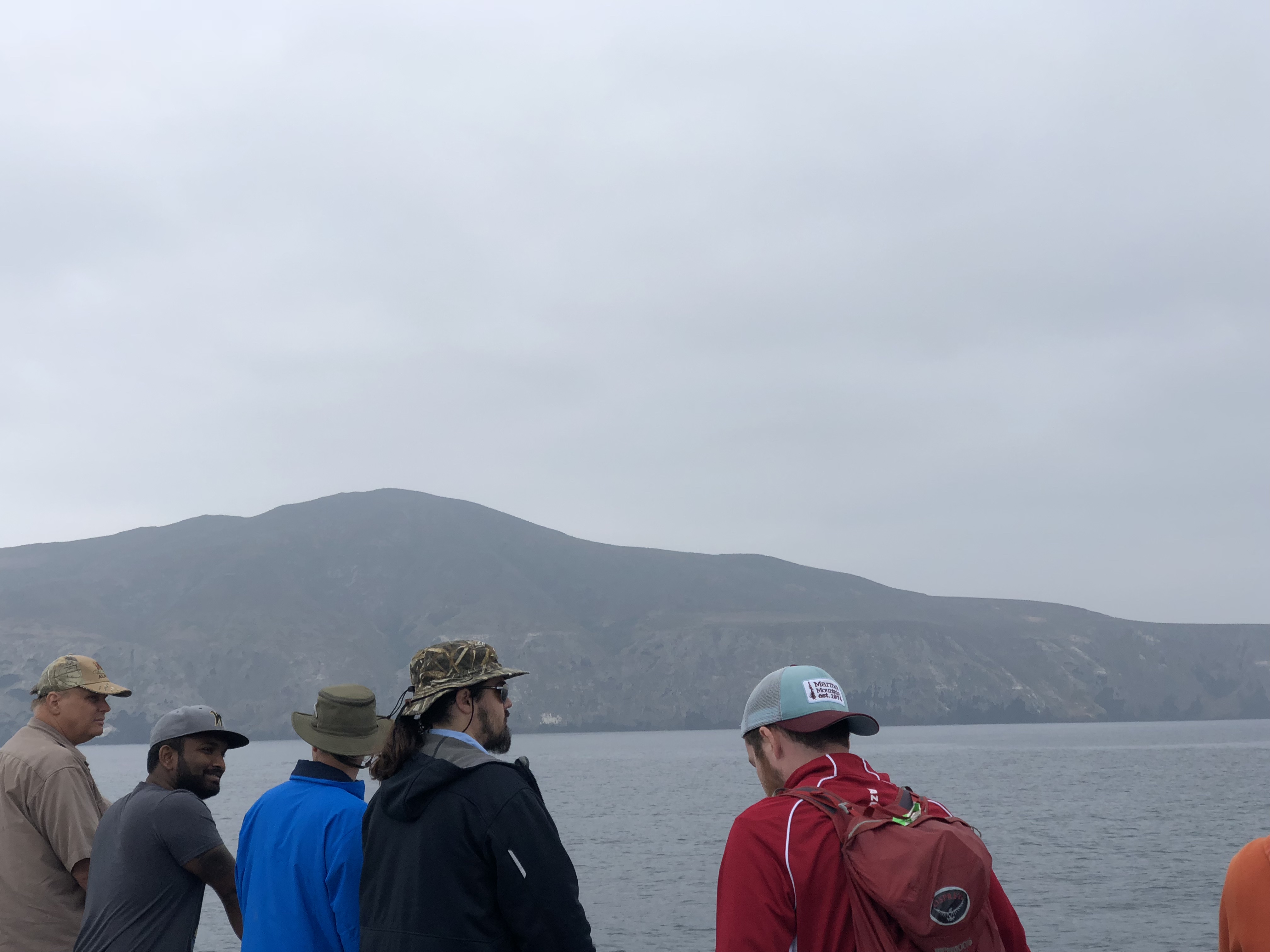
Santa Rosa Island is the second-largest and the wilder cousin of Santa Cruz. The fishing is excellent — particularly for big rockfish, lingcod, and yellowtail — but the island sits further offshore and gets blown out by northwest wind regularly. When weather cooperates, the back side of Santa Rosa is one of the best rockfish and lingcod grounds in California. Pinnacles like Talcott Shoal and the structure around Bee Rock are well known to the fleet but only fishable when the wind drops below 15 knots. Most Santa Rosa trips are overnights — full days don't have enough margin if the weather changes.
San Miguel Island is the westernmost and the toughest to fish. It sits well offshore in the path of the prevailing northwest wind, which means it's only fishable a fraction of the year. But on the days the weather opens up — usually late summer and early fall — San Miguel produces the kind of fishing that makes the trip worth it. Jumbo rockfish, big lingcod, white seabass in the right conditions, and yellowtail pushing in from the warm water mixing offshore. Most San Miguel trips are 1.5 days or longer because the run is long and you don't want to make that crossing twice in one day.
Which Landing Fishes Which Islands
Four landings primarily fish the northern Channel Islands. Each has its own character.
Channel Islands Sportfishing in Oxnard is the largest operation in the area. Big fleet, full schedule of half days, full days, and overnights. Their boats reach all four islands depending on trip length and weather. If you're looking for variety and lots of departure options, Channel Islands Sportfishing is where most anglers start.
Hook's Landing in Ventura is smaller but well-known for overnight programs that reach Santa Rosa and San Miguel. Hook's tends to attract more experienced anglers and runs trips with a stronger bottom-fishing focus.
Ventura Harbor Sportfishing also operates out of Ventura. Their schedule leans toward half days and full days fishing Anacapa and the front side of Santa Cruz — solid options for shorter trips and easier weather windows.
Stardust Sportfishing in Santa Barbara has a geographic advantage: Santa Barbara is closer to Santa Cruz and the outer islands than Ventura is. Stardust runs full days and overnights with shorter transit times to the better fishing, which means more time on the water relative to other Channel Islands operators. Strong overnight and 1.5-day program when the weather allows.
LA Harbor and OC boats occasionally run to Anacapa on overnight trips, but the Channel Islands aren't their primary fishery. If you want to fish the islands seriously, leave from Ventura, Oxnard, or Santa Barbara.
Compare available trips, boats, and pricing across all four Channel Islands landings side by side on findyournextcatch.com.
What's Biting When
Channel Islands fishing has more distinct seasons than the more pelagic-focused fisheries to the south. Here's how the year breaks down.
Year-round (every month):
- Rockfish of all varieties — vermilion, copper, gopher, blue, black, and the deep-water bocaccio. Rockfish dominates Channel Islands catches more than any other species, and the bite is consistent throughout the year. There's a closed season for shallow-water rockfish during certain months (check current CDFW regulations before you book), but the deep-water grades are open most of the year.
- Lingcod — particularly strong on the back side of Santa Cruz, Santa Rosa, and San Miguel. The biggest lings tend to come in fall and early winter.
- Whitefish and sheephead — supporting cast on almost every island bottom trip.
Spring (March-May):
- White seabass start showing at Santa Cruz and Anacapa, in the very early hours of overnight trips. Peak white seabass action is typically April-June.
- Calico bass action picks up at Anacapa and the front side of Santa Cruz.
- Halibut start moving inshore and into the bay flats near the islands.
Summer (June-August):
- Yellowtail push up from the south and stage at Santa Cruz, Anacapa, and occasionally Santa Rosa. Surface iron, slow-troll, and dropper-loop fishing all produce.
- Calico bass at full size and abundance along kelp lines.
- Halibut at peak — Santa Cruz's flats produce some genuine 30-pounders most summers.
- Bonito moving through, occasionally with barracuda.
- The outer islands (Santa Rosa, San Miguel) become more reliably fishable as the spring wind dies down.
Fall (September-November):
- Yellowtail bite often peaks in September-October before fading.
- Lingcod at full size, especially at Santa Cruz back side and Santa Rosa.
- Big rockfish on the deeper structure.
Winter (December-February):
- Pure bottom focus. Big rockfish, lingcod, and the occasional white seabass.
- Some rockfish closures may apply — verify before booking.
- Trips can be weather-shortened or canceled. Build flexibility into your plans.
Want to see what's biting right now? Live fish counts from every Channel Islands landing are updated nightly at findyournextcatch.com/intel.
Trip Types and What to Expect
The Channel Islands fleet runs the standard SoCal trip ladder, but the math is slightly different from southern boats because of the distance to the better fishing.
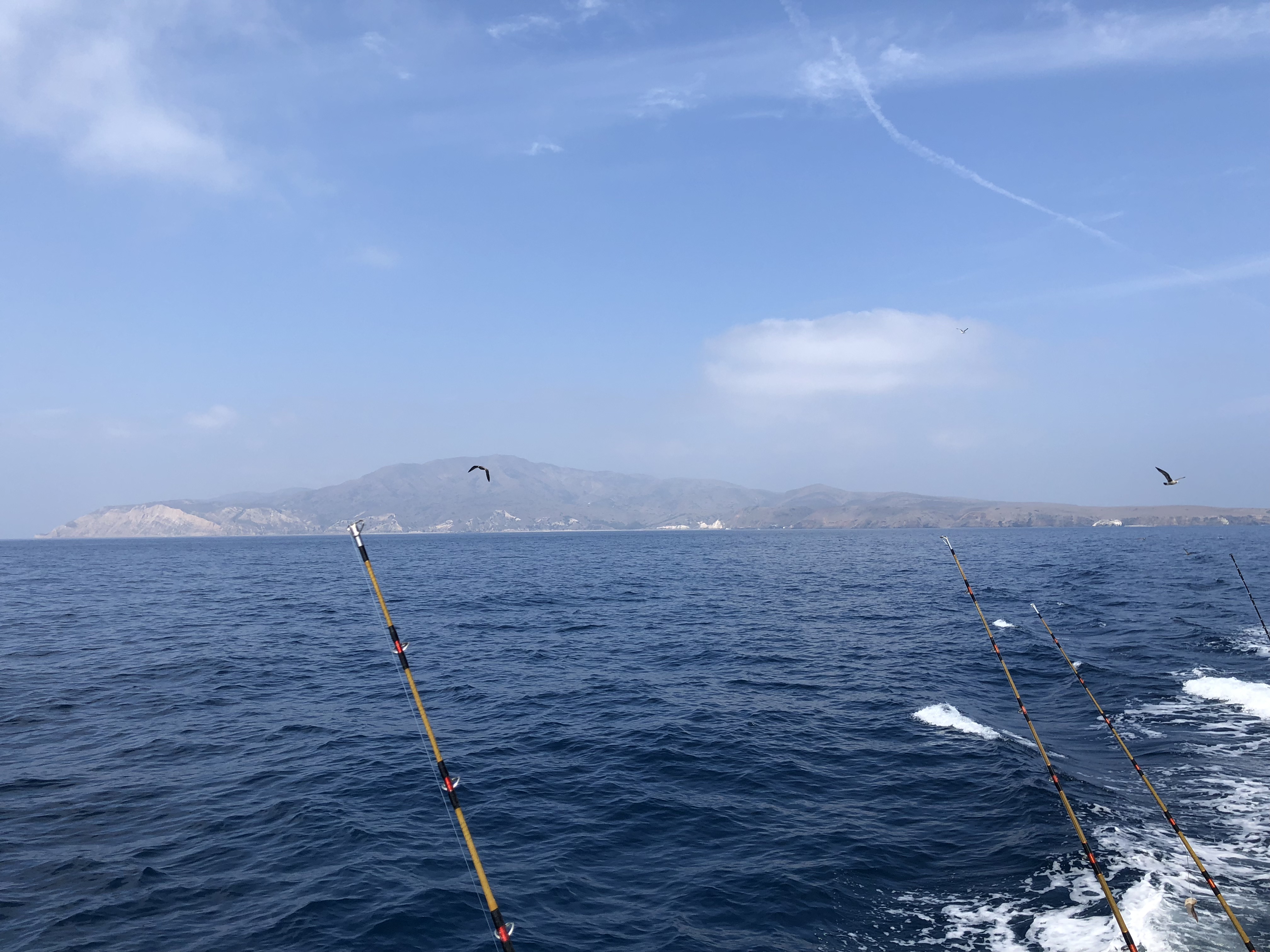
Half Days ($55-85): Local trips — usually the kelp beds along the Ventura/Oxnard coast or short runs to Anacapa. Solid for first-timers and family trips. Don't expect to reach Santa Cruz or further on a half day; there isn't time.
Three-Quarter Days and Full Days ($110-200): The bread and butter of Channel Islands fishing. A full day out of Ventura or Oxnard will reach Anacapa or the front side of Santa Cruz with plenty of fishing time. Out of Santa Barbara, a full day can reach Santa Cruz front and sometimes the back side when weather is calm. This is where most Channel Islands fishing happens.
Overnights ($280-400): The sweet spot for serious Channel Islands fishing. Leave in the evening, fish through the night and following day, and you can reach the back side of Santa Cruz or push further to Santa Rosa. Overnight trips to Santa Rosa back side are some of the most underrated fishing in California when weather allows.
1.5 Day and 2 Day Trips ($450-650): The dedicated San Miguel trips and the longest Santa Rosa programs. More transit time means more flexibility to chase conditions — captains can move between islands if one shuts down. Run during summer and fall primarily.
Filter trips by duration, target species, and departure landing to find exactly the Channel Islands trip you're looking for at findyournextcatch.com/trips.
Weather Is the Defining Factor
The Channel Islands are weather-exposed in a way most southern fisheries aren't. The Santa Barbara Channel funnels northwest wind, and the outer islands sit in the path of the prevailing swell. A 15-knot day at H&M Landing in San Diego is on the rougher side. A 15-knot day off Santa Rosa is common but much beyond that, the backside of the islands can be unreachable.
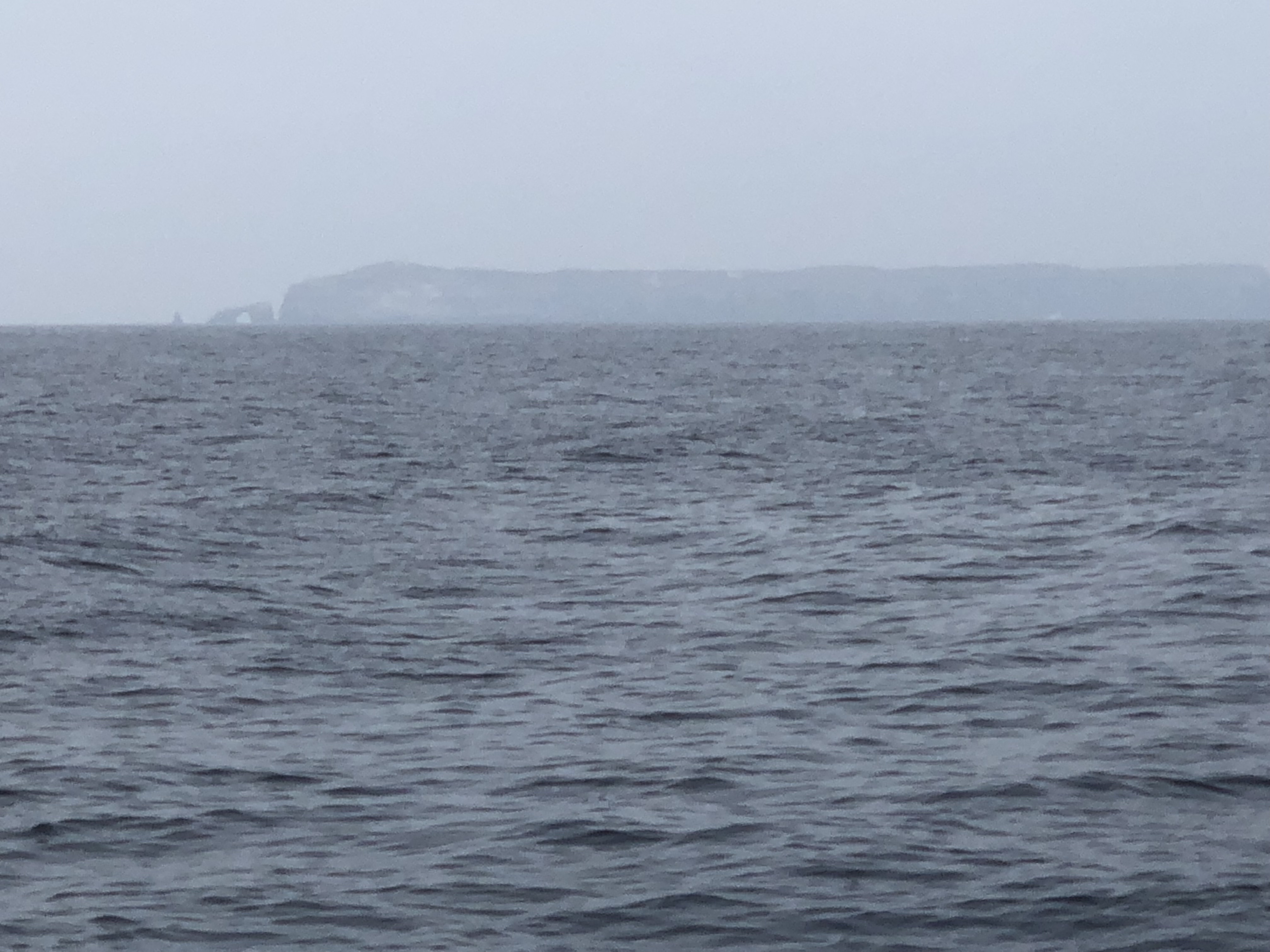
A few practical implications:
Trips get canceled or modified more often than they would in San Diego. Captains will move from the outer islands to Anacapa, from the back side of Santa Cruz to the front side, or stay shorter and fish closer to home when conditions deteriorate. Trust the call. They're trying to put you on fish, not stick to an itinerary.
Bigger boats handle the channel better. If you're prone to seasickness or you're fishing in winter or spring, a larger vessel makes a real difference in comfort. Channel Islands Sportfishing and Stardust both run some of the larger boats in the Channel Islands fleet.
Spring is the windiest season. April and May produce some of the best white seabass and emerging yellowtail action, but they're also when trips get blown off most frequently. Build a buffer day into your plans if you're traveling in.
Fall is the calmest. September and October typically have the most consistent weather windows for outer island fishing.
Live conditions and weather data are listed alongside every trip at findyournextcatch.com, which makes it easier to see what's actually happening at the islands before you commit.
Marine Protected Areas: Know Before You Go
The Channel Islands have a network of Marine Protected Areas where fishing is restricted or completely prohibited. Some of the most productive-looking structure on the islands sits inside these MPAs — and the captains know exactly where the boundaries are.
A few things to understand:
- You don't need to memorize the boundaries as an angler on a charter boat. The captain handles that. But if you're fishing your own boat or planning a private trip, the CDFW website has detailed MPA maps.
- Some MPAs are seasonal, some are permanent, and some are conservation areas that allow limited take. The rules are specific to each zone.
The short version: when you're on a charter, trust the captain. When you're on your own, do your homework.
A Few Practical Notes
Drive time matters. From LA, Ventura is a 70-90 minute drive without traffic, Santa Barbara is 90-120 minutes. From OC or further south, you're looking at 2-3 hours each way. If you're driving in for an early departure, leave the night before or plan to be on the road by 3 AM. The Channel Islands fleet doesn't wait.
Cell service is limited offshore. Don't expect to work from the rail or stay in touch with home during the trip. Tell people your plans before you leave and accept that you're off the grid for the duration.
Pack warmer than you would for San Diego. Even in summer, the back side of Santa Cruz and the outer islands are colder than southern waters. Layers matter more here.
The fishing is different than the south. If you're a SoCal angler used to flyline bait for bluefin or surface iron for yellowtail off Catalina, the Channel Islands will require some adjustment. Bottom fishing with sinker rigs and dropper loops dominates. Slow-pitch jigging is highly effective for the deeper rockfish and lingcod. Bring the right gear or rent at the landing.
The Bottom Line
The Channel Islands are some of the most productive and most underrated sportfishing in California. The diversity of species, the year-round fishability of the inner islands, and the world-class quality of the outer island fishing make this a fishery any serious SoCal angler should put time into.
Start at Anacapa or the front side of Santa Cruz on a full day. If you love it, work your way out to Santa Rosa on an overnight. Save San Miguel for when you've earned a few trips and you're ready for the run.
Ready to book? Find Your Next Catch lists every trip from Channel Islands Sportfishing, Hook's Landing, Ventura Harbor Sportfishing, and Stardust Sportfishing — with live fish counts, weather conditions, and trip details all in one place. Filter by island, species, or trip length to find exactly what you're looking for.
Tight lines. Go find the bite.
Keith Leonard is the founder of Find Your Next Catch and an avid SoCal angler. FYNC tracks fish counts, hot boats, and trip availability across all of Southern California's sportfishing landings.